

+86 177 5193 6871
222, Block B, Diamond International, Guozhuang Road, Xuzhou, Jiangsu, China
During the construction of space steel structures in high-rise building environments, personnel must be thoroughly familiar with and proficient in operating commonly used industrial equipment. This includes mastering the operational procedures of tower cranes and possessing specialized skills in steel structure design, manufacturing, and installation. At minimum, they must have comprehensive knowledge and understanding of the structural characteristics of at least one model of tower crane used in high-rise steel structure construction projects. Proficiently calculate the structural deviations caused by the crane’s boom, tower, and galvanized steel wire rope during specified installations, encompassing both vertical and horizontal planes. Possess comprehensive skills in steel structure design, manufacturing, and assembly engineering.
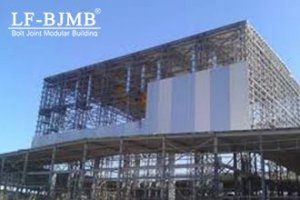
Understand the equipment characteristics of cranes and tire cranes. Engaged in traditional lifting equipment technical work. Designed and applied single-leg derricks, flexible derricks, A-frame derricks, gantry cranes, and tripods. Capable of rapidly designing, calculating, and selecting small crane lifting gear without reference materials. Can promptly propose 1-3 solutions and construction requirements for installation technical challenges encountered at space frame construction sites.
Space steel structures feature lightweight construction, distinctive design aesthetics, high strength, and excellent ductility. They enjoy widespread application and are highly popular in project construction. Space frames consistently utilize high-quality materials and incorporate advanced automated pipe intersecting line technology. Available in diverse types and specifications, they can be customized to meet varying construction requirements and accommodate different project demands.
Copyright © Xuzhou LF Engineering & Construction Co., Ltd. All Rights Reserved.


 +86-17751936871
 +86-516-8595-0258


