

+86 177 5193 6871
222, Block B, Diamond International, Guozhuang Road, Xuzhou, Jiangsu, China
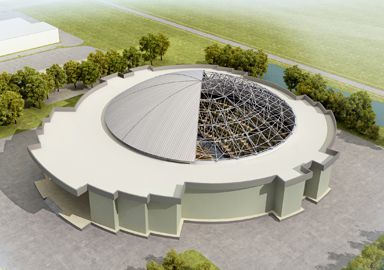
The cross-sectional dimensions of steel structural components shall be determined based on calculations of compressive strength and stability. To reduce the calculated length of compression members and enhance their stability, measures such as adding sub-members and supports may be adopted.
For plate-type spherical grid structures and double-layer shell-type spherical grid structures fabricated from stainless steel plates, the primary connection methods include cross-plate connections, welded hollow sphere connections, and bolted sphere connections. Cross-plate connections are suitable for steel grid structures using channel steel components, where the connection between components and connection plates is achieved through welding or high-strength bolting. Hollow sphere joints and bolted sphere joints are suitable for steel grid structures with seamless steel pipe components. Single-shell spherical grid structures’ joints must also withstand bending forces. Typically, joint steel consumption accounts for 15–20% of the total steel used in the grid structure.
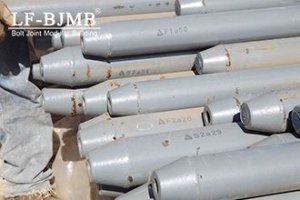
Although materials selected for steel structure construction are generally corrosion-resistant building materials, prolonged exposure to wind and rain may still cause rusting. Rust compromises structural integrity; if not removed promptly, it can lead to more extensive corrosion. Therefore, the following rust removal methods are introduced to help spherical grid structures maintain a longer service life.
1. Manual Rust Removal: Surface rust can be scrubbed with steel brushes, steel wool, or coarse sandpaper until the original metal color is exposed, then cleaned with cotton cloth. This method is simple and economical, suitable for small components and complex-shaped parts. Tools like sandpaper, steel brushes, and scrapers can effectively remove rust.
2. Shot blasting rust removal utilizes compressed air pressure to continuously blast quartz sand or steel shot onto the steel surface, removing rust, oil residues, and contaminants until the original color is exposed.
3. Shot blasting rust removal: Utilizes the centrifugal force of a blasting machine’s impeller to draw abrasive material and propel it at high speed. This method removes contaminants from stainless steel surfaces through high-velocity impact and friction. It offers lower labor intensity, reduced air pollution, and lower costs compared to shot blasting. However, it has poor vibration capability, and improper abrasive selection may cause deformation of the workpiece.
4. Spray Rust Removal: Compressed air treated to separate oil and moisture carries abrasive particles through a nozzle at high velocity onto the steel surface. The impact and friction of the abrasive remove rust scale while simultaneously achieving surface roughness. This method is highly efficient and effective for rust removal but involves higher costs. Blast rust removal includes dry and wet methods. Wet blasting offers better working conditions and less dust than dry blasting but may cause rust recurrence.
5. For acid pickling rust removal, steel structures must be immersed in an acid bath. Rust on stainless steel will shorten its service life. Acid pickling provides thorough rust removal, but remember to rinse with clean water afterward.
6. Power tool rust removal: Utilizes compressed air or electric power to drive tools in circular or reciprocating motions, generating friction or impact to remove rust or scale. This method surpasses manual rust removal in both efficiency and quality, making it a widely adopted rust removal technique. Common tools include pneumatic grinders, electric grinders, air-powered wire brushes, and pneumatic chisels.
If your project is currently in a specific phase or facing challenges, feel free to contact us anytime.
Copyright © Xuzhou LF Engineering & Construction Co., Ltd. All Rights Reserved.


 +86-17751936871
 +86-516-8595-0258


