LF-BJMB Engineering Insight | Large-Span Steel Structure Design & Industrial Project Execution
Approved Drawings Do Not Guarantee A Successful Steel Structure Project
A steel structure project can meet every requirement on paper and still face serious problems during construction.
The calculations pass review. The drawings are approved. The material specifications are confirmed. The technical documents are complete.
From a documentation perspective, everything appears ready.
But the real test begins when steel components leave the factory and arrive at the construction site.
Because steel structures are not built inside engineering software. They are built under real project conditions:
-
Transportation limitations
-
Available lifting equipment
-
Site access restrictions
-
Installation sequence requirements
-
Local construction practices
-
Long-term operation requirements
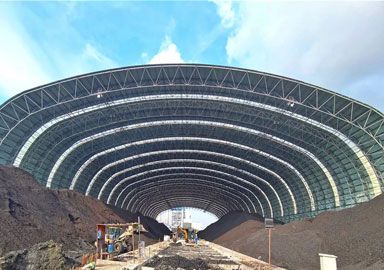
For projects requiring high-efficiency large-span solutions, LF-BJMB provides Large-Span Steel Structure Solutions that consider the complete process from engineering design to final installation.
The more important question is:
Can this structure be efficiently fabricated, transported and installed under actual project conditions?
Many project problems do not come from incorrect calculations. They come from engineering decisions that do not consider how the structure will actually be built.
The Biggest Mistake: Applying A Correct Solution To The Wrong Project
Standardized solutions have their advantages. They can improve efficiency, reduce repeated engineering work, and shorten preparation time.
However, many steel structure problems do not come from poor engineering. They come from applying a correct solution to the wrong project conditions. This is why constructability review before fabrication has become an important step for reducing execution risks.
Industrial projects are never identical. A design that performs well in one location may create unexpected challenges somewhere else.
Because every project has different limitations:
-
Transportation routes
-
Crane capacity
-
Installation space
-
Environmental conditions
-
Operating requirements
For example:
A large prefabricated component may improve factory efficiency. However, if the component cannot match transportation restrictions or lifting capacity, the project may face:
-
Additional shipments
-
More complicated site handling
-
Delayed erection schedules
-
Unexpected construction costs
A highly optimized connection detail may reduce theoretical material usage. However, if the installation environment is restricted, it may increase field assembly difficulty.
A component arrangement that works well on one project may become unsuitable when crane conditions or erection sequences change.
The issue is not whether the design is technically correct. The real question is:
Does the design fit the complete project lifecycle?
Why The Lightest Steel Structure Is Not Always The Most Cost-Effective Solution
Modern engineering tools allow designers to optimize steel consumption, member dimensions, structural performance, and connection efficiency. These improvements are important.
But industrial project success depends on more than reducing steel weight.
A lightweight solution may reduce material consumption. However, it may create:
-
More complicated fabrication procedures
-
Difficult quality inspections
-
Higher production requirements
The overall project efficiency may decrease.
A highly optimized connection may perform well in calculations. But if it increases installation difficulty, the project may experience additional site coordination, more erection time and higher labor requirements.
A larger prefabricated component may reduce factory workload. But if transportation routes or lifting equipment cannot support it, the expected benefit disappears.
Real engineering optimization is not about achieving the lowest material quantity. It is about creating a balanced solution between:
A good design is not the one that looks perfect in software. It is the one that works smoothly from factory production to final operation.
Three Design Decisions That Directly Influence Project Results
1. Steel Structure Design Must Match Fabrication Reality
A structure only creates value when it can be manufactured efficiently.
Many fabrication problems are not caused by factory capability. They are caused by design decisions made before production begins.
Experienced engineering teams review component dimensions, connection details, manufacturing processes, welding accessibility and inspection requirements.
For large-span steel structures using bolted sphere node systems, connection design must consider not only structural performance but also fabrication consistency and installation requirements.
A detail that looks efficient on drawings may create unnecessary production complexity. A component that reduces material usage may increase manufacturing difficulty.
Before steel cutting begins, the key question is not only: “Can this structure be designed?” It is: “Can this structure be produced consistently with controlled quality?”
2. Transportation Planning Starts During Engineering Design
Transportation is often treated as a logistics issue. For large-span steel structures, it is an engineering decision.
Component dimensions, segmentation methods and packaging arrangement directly influence delivery success.
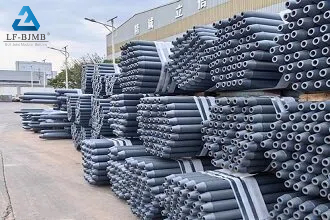
Before fabrication begins, engineers should evaluate transportation routes, container limitations, loading restrictions, site unloading conditions and installation sequence.
A design that ignores transportation may later create:
-
Oversized shipment challenges
-
Additional modifications
-
Increased delivery stages
-
More complex site assembly
The most practical component is not always the largest one. It is the component arrangement that allows the complete steel structure package to move efficiently from factory to site.
3. Steel Structure Design Must Consider Actual Installation Conditions
The final verification of any steel structure design happens during erection.
In practice, many site problems are not discovered during design approval. They appear when the first crane starts working.
Actual construction conditions may include limited crane capacity, restricted working areas, different lifting sequences, and coordination between multiple contractors.
If these factors are ignored during early engineering, problems may appear after fabrication is already complete. At that stage, solutions become expensive.
Possible consequences include additional lifting equipment, field modifications, increased manpower and schedule delays.
The most economical time to solve installation problems is before fabrication begins.
Practical Engineering Example: Reducing Execution Risks Before Fabrication
For a large-span industrial storage structure, LF-BJMB engineering review focused on identifying potential execution risks before production started.
The review considered:
Component Planning Evaluating whether component dimensions were suitable for transportation conditions.
Fabrication Sequence Adjusting production considerations to improve manufacturing efficiency and quality control.
Installation Requirements Reviewing erection sequence and site conditions before shipment planning.
By identifying these factors early, potential fabrication adjustments and site installation conflicts could be reduced before they became construction problems.
This is the value of execution-oriented engineering.
How LF-BJMB Connects Design With Real Project Execution
Based on experience with large-span industrial steel structures, LF-BJMB applies a different engineering approach.
Design decisions are evaluated by how they influence the full project chain: Engineering → Fabrication → Transportation → Installation → Operation
Before fabrication begins, LF-BJMB focuses on:
Constructability Review Assessing whether the structure can be practically manufactured and installed.
Transportation-Oriented Planning Reviewing component segmentation, packaging requirements and delivery limitations.
Installation Coordination Checking critical details before they affect site progress.
The purpose is not simply to produce steel components. It is to reduce uncertainty before construction begins.
Because problems found during engineering are manageable. Problems discovered when cranes and installation teams are waiting on site can become expensive.
Why Adaptable Engineering Creates Better Long-Term Value
Every industrial steel structure project has different requirements.
A template solution may save time during design. But adaptable engineering creates better control during execution.
The value of a professional steel structure partner is not only measured by manufacturing capability. It is measured by the ability to identify risks before they affect construction progress.
Conclusion: The Best Steel Structure Design Is The One That Works In Reality
A high-quality steel structure design is not defined by lowest steel consumption, most complex calculations, or maximum theoretical optimization.
It is defined by whether it can:
For large-span industrial steel structures, design compliance is only the starting point. Real project success requires engineering decisions that consider fabrication reality, transportation limitations and installation conditions.
LF-BJMB supports industrial projects through:
-
Large-span steel structure design review
-
Fabrication feasibility assessment
-
Component optimization
-
Transportation planning
-
Installation-oriented technical coordination
Because professional engineering is not about creating the most complicated solution. It is about creating a solution that works when the project enters the real world.
Frequently Asked Questions
Q1: If my steel structure design meets international standards, why is constructability review still necessary?
A1: Because code compliance confirms structural safety, but it does not always confirm fabrication efficiency, transportation feasibility or installation practicality.
Q2: Can reducing steel weight increase project risks?
A2: Yes. A lighter structure may reduce material usage, but excessive optimization can create fabrication challenges, transportation limitations or installation difficulties.
Q3: Why should transportation conditions influence steel structure design?
A3: Because component size, segmentation method and packaging strategy directly affect delivery efficiency and erection success.
Q4: What problems usually appear after fabrication begins?
A4: Common issues include component modification, shipment delays, installation conflicts and additional site work caused by early engineering decisions.
Engineering Review Before Fabrication
Many project risks can be identified before the first steel component is produced.
LF-BJMB provides engineering review support focusing on:
For large-span steel structure projects, early engineering decisions help reduce execution risks before they become construction problems.
Contact LF-BJMB engineering team to discuss your project requirements before fabrication begins.




 +86 177 5198 6706
 +86-516-8595-0258


